
lead time for PCB manufacturing
Lead time in PCB (Printed Circuit Board) manufacturing is a critical factor for electronics designers and manufacturers, influencing everything from project timelines to cost management. Lead time refers to the total time it takes from the initial order placement to the final delivery of the PCBs. This timeframe encompasses several stages, including design, production, testing, and shipping. Understanding the various elements that contribute to lead time can help stakeholders make informed decisions and optimize their supply chains.
The first step in the PCB manufacturing process is the design phase, which can significantly impact overall lead time. The time required for designing a PCB depends on various factors, such as the complexity of the design, the experience of the designer, and the specific requirements of the project. For example, a simple PCB layout may take only a few days, while a complex design with multiple layers, intricate routing, and specific component placements could take weeks or even months. Designers must ensure that the layout meets all specifications, including electrical performance and mechanical constraints, before proceeding to manufacturing.
After the design is finalized, the next step is often the development of a prototype. Prototyping is essential for validating the design and ensuring that the PCB functions as intended. The prototyping phase can add additional lead time, typically ranging from a few days to several weeks, depending on the complexity of the PCB and the availability of components. Quick-turn PCB manufacturers can expedite this process by offering rapid prototyping services, allowing engineers to test and refine their designs more efficiently.
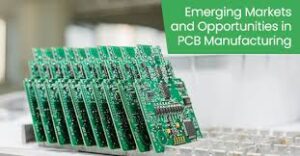
What is the lead time for PCB manufacturing?
The production phase of PCB manufacturing involves multiple steps, including material procurement, fabrication, assembly, and testing. Each of these steps can vary in duration based on several factors, including the manufacturer’s capacity, the technology used, and the number of PCBs being produced. Standard lead times for PCB production can range from 1 to 4 weeks for low to medium volumes, while high-volume orders may take longer due to the need for additional setup and scheduling.
Manufacturers often provide different production speeds, such as standard, expedited, or rush services, allowing customers to choose a timeline that meets their project needs. However, faster production methods may come with higher costs, which can affect budgeting decisions.
Component sourcing is another critical factor that affects lead time in PCB manufacturing. The availability of electronic components can fluctuate due to various factors, including supply chain disruptions, global shortages, and increased demand for certain components. Manufacturers must carefully manage their inventories and relationships with suppliers to ensure timely procurement. When components are readily available, they can often be integrated into the PCB production schedule quickly; however, delays in sourcing critical parts can extend overall lead time significantly.
Once the PCBs are manufactured, they undergo a quality assurance and testing phase. This step is essential to ensure that the boards meet all specifications and performance standards. Testing can involve various methods, including electrical testing, visual inspections, and functional tests. The duration of this phase can vary based on the complexity of the tests and the number of boards produced. Rigorous testing is crucial, as any defects discovered during this phase may require additional time for rework or re-manufacturing.
The final component of lead time is shipping and delivery. The time it takes to ship PCBs to the customer depends on the shipping method selected (e.g., air freight, sea freight) and the destination. Domestic shipping usually takes a few days, while international shipments can take longer due to customs clearance and logistics considerations.