
federal severance pay depend on years of service
Federal severance pay is a key protection for employees who are terminated without cause in Canada, particularly those working in industries governed by federal law. These include sectors such as banking, telecommunications, railways, airlines, and interprovincial trucking. Many employees often ask whether federal severance pay depends on years of service, as this factor can significantly influence the amount of compensation they receive. Understanding the relationship between service length and severance entitlement is essential for both employers and employees to ensure compliance with the Canada Labour Code.
Severance pay for federally regulated employees is typically calculated with years of service as a primary factor. The Canada Labour Code establishes minimum standards for severance entitlements, providing a framework that links the employee’s duration of employment to the amount of pay they receive upon termination without cause. Generally, the longer an employee has worked for a federally regulated employer, the higher the severance pay they are entitled to. This approach reflects the principle that employees who have dedicated more time and effort to an organization should receive greater compensation if their employment ends unexpectedly.
The calculation of severance pay for federally regulated employees usually involves determining the employee’s regular wages and multiplying this by a specific number of weeks per year of service. Federal regulations often provide guidelines for the minimum number of weeks of pay that an employee is entitled to per year of employment. This system ensures consistency and fairness across federally regulated industries, while also allowing room for employers to provide enhanced packages through collective agreements or individual employment contracts. Employees with longer tenure can therefore expect higher total severance amounts, while those with shorter service periods receive proportionally smaller packages.
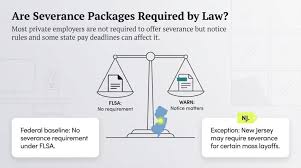
Does federal severance pay depend on years of service?
In addition to the basic calculation based on years of service, severance pay for federally regulated employees may also include other benefits such as pension contributions, vacation pay, or health coverage, depending on the employment contract or union agreements. Unionized employees in federally regulated sectors may receive additional weeks of severance or extended notice periods based on seniority. This further emphasizes the importance of years of service, as employees with longer tenure often benefit from these enhanced provisions. Understanding how years of service impact severance pay helps employees plan their finances and ensures employers uphold their legal obligations.
It is important for employers to follow federal regulations when calculating severance pay. Non-compliance can result in legal disputes, fines, or enforcement actions under the Canada Labour Code. Human resources departments in federally regulated organizations must accurately track employee service periods and ensure that severance calculations align with federal standards. Employees, meanwhile, should review their employment contracts, collective agreements, and federal guidelines to confirm that their severance pay reflects both their years of service and any additional benefits to which they may be entitled.
In conclusion, federal severance pay does indeed depend on years of service. Severance pay for federally regulated employees is directly influenced by how long an individual has worked for their employer, with longer service resulting in higher entitlements. This system ensures fair compensation for employees who lose their jobs without cause while promoting compliance with federal labor laws. Awareness of this relationship between service length and severance pay allows employees to assert their rights and helps employers maintain transparent and legally compliant practices across federally regulated industries in Canada.