
Homeowners planning a new Roofing installation often wonder whether removing the old roof is part of the process or an added service. In most full replacement projects, old roof removal is typically included, but the scope can vary by contractor and roof condition. Understanding what’s standard helps set realistic expectations, avoid surprise costs, and ensure the new roof performs as intended without underlying issues from aging or damaged materials.
What “Roofing Installation” Usually Covers
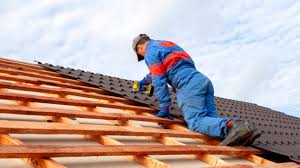
A complete Roofing installation generally involves more than placing new shingles or panels. In many cases, it includes tearing off existing materials down to the decking, inspecting the structure, and preparing a clean surface. This approach allows installers to identify hidden problems such as rot or poor ventilation. Especially in older homes, skipping removal can compromise durability, making proper tear-off an important step in quality-focused roofing projects.
When Roof Removal Is Necessary
Old roof removal becomes essential when materials are worn, curled, leaking, or layered too many times. Building codes often limit how many roof layers are allowed, meaning removal is legally required before installing new materials. During Roofing installation, removing the old roof ensures proper fastening and alignment. It also helps the new system achieve its expected lifespan by eliminating weak or uneven surfaces beneath the new covering.
Situations Where Removal May Be Limited
In some limited scenarios, a new roof can be installed over an existing one, commonly called a roof overlay. This option may reduce labor costs, but it’s not always recommended. Overlays can hide damage and add excess weight. Most professional contractors advise full removal during Roofing installation to ensure long-term performance, especially in climates with heavy rain or temperature fluctuations that stress roofing systems year-round.
Cost Transparency and Project Estimates
Whether old roof removal is included should always be clearly stated in the project estimate. Reputable companies break down labor, disposal, and material costs upfront. This transparency supports a smoother experience and avoids confusion once work begins. Homeowners should confirm that debris hauling and disposal are covered, as these steps are part of responsible project management and contribute to a cleaner, safer job site.
Regional Practices and Material Choices
In the Portland and Seattle metro areas, moisture and moss growth make roof inspections critical during replacement. Contractors familiar with local conditions often prioritize complete tear-offs during Roofing installation to address water damage early. This regional expertise supports better outcomes and complements broader exterior services such as siding, gutters, and painting, all designed to protect homes against persistent damp weather and seasonal wear.
Environmental and Disposal Considerations
Removing an old roof also involves responsible disposal of materials. Many contractors follow regulations for waste handling, diverting reusable materials when possible and minimizing landfill impact. Understanding how old shingles are handled can reassure homeowners concerned about sustainability. Learning more about recycling highlights why proper removal and disposal are important parts of a modern roofing project managed with environmental awareness.
Ultimately, old roof removal is commonly included in a full Roofing installation, but confirmation is key. Asking detailed questions and reviewing estimates carefully helps homeowners feel confident in their investment. Working with an experienced provider that values clear communication and quality workmanship leads to better results. Helpful guidance, service details, and planning resources can be found with a quick visit to homze.com, supporting informed decisions from start to finish.