
13 Inch Wheels 4×100 Typically Weigh
When it comes to automotive performance, the weight of your wheels can significantly impact various aspects of your vehicle’s handling, acceleration, and overall dynamics. For enthusiasts considering 13-inch wheels with a 4×100 bolt pattern, understanding how much these wheels typically weigh is essential for making informed decisions. While the exact weight can vary based on materials, design, and brand, we can explore general weight ranges and factors that contribute to these differences.
On average, 13 inch wheels 4×100 bolt pattern can weigh anywhere from 10 to 15 pounds per wheel. This range is generally applicable to both steel and aluminum alloy wheels. Steel wheels are typically on the heavier side of this spectrum, often weighing closer to 14-15 pounds, while lightweight alloy wheels may fall between 10 to 12 pounds. The weight difference primarily stems from the materials used in manufacturing the wheels.
The material of the wheel plays a significant role in its overall weight. Steel wheels, known for their durability and cost-effectiveness, tend to be heavier. They are commonly used in budget-friendly applications or vehicles that require a robust wheel. On the other hand, aluminum alloy wheels are favored for their lighter weight and aesthetic appeal. These wheels are made from a combination of aluminum and other metals, offering a balance between strength and weight. Some high-performance wheels may use forged aluminum, which is even lighter and stronger than cast aluminum.
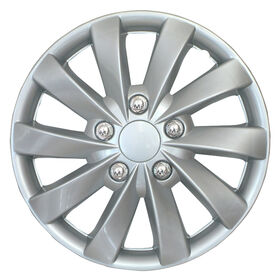
How Much Do 13 Inch Wheels 4×100 Typically Weigh?
The design of the wheel also affects its weight. Wheels with more intricate designs or additional spokes may weigh slightly more due to the added material. Conversely, minimalist designs with fewer spokes can contribute to lower overall weight. Additionally, features like deep-dish designs or added flanges can increase the wheel’s weight. When choosing a wheel design, it’s essential to balance aesthetic preferences with performance considerations.
For racing applications, lightweight performance wheels are often a priority. Many aftermarket manufacturers produce specialized 13-inch wheels designed for motorsport use. These wheels may weigh as little as 8 to 10 pounds due to advanced materials and manufacturing techniques, such as forging or flow-forming. Lightweight wheels help reduce unsprung weight, improving handling and acceleration, which is crucial in competitive driving situations.
While 13-inch wheels are relatively small compared to standard sizes, understanding their weight in comparison to larger wheels is helpful. Larger wheels often weigh more due to increased material usage. For example, a typical 17-inch wheel may weigh between 15 and 25 pounds, depending on the same factors of material and design. Thus, upgrading from larger wheels to 13-inch options can result in a significant reduction in weight, positively impacting performance.
When considering a wheel upgrade, it’s important to factor in the weight of the tires as well. A typical tire for a 13-inch wheel can weigh anywhere from 10 to 15 pounds, depending on the type and size. Therefore, the combined weight of the wheel and tire will be essential for understanding the total unsprung weight, which directly affects vehicle dynamics.
In conclusion, the weight of 13-inch wheels with a 4×100 bolt pattern typically ranges from 10 to 15 pounds per wheel, influenced by materials, design, and intended use. For those focused on performance, lightweight alloy or forged wheels can provide substantial benefits, enhancing handling and acceleration. As with any automotive modification, the key is to consider how wheel weight fits into your overall performance goals and vehicle setup, ensuring that your choice enhances both driving experience and aesthetic appeal.